A production line is waiting on a replacement part. A field crew has a narrow shutdown window. A critical shipment missed the normal freight cutoff. In those situations, a guide to nationwide hot shot shipping needs to focus on execution: the right vehicle, a realistic transit plan, clear communication, and a carrier that can keep the shipment moving.
Nationwide hot shot service is built for freight that cannot wait for a standard multi-stop network. It gives businesses a dedicated truck and a direct transportation plan for urgent, high-priority, or specialized loads moving across state lines. That speed comes at a higher cost than conventional freight, so the key is knowing when the service protects more value than it costs.
What Nationwide Hot Shot Service Actually Does
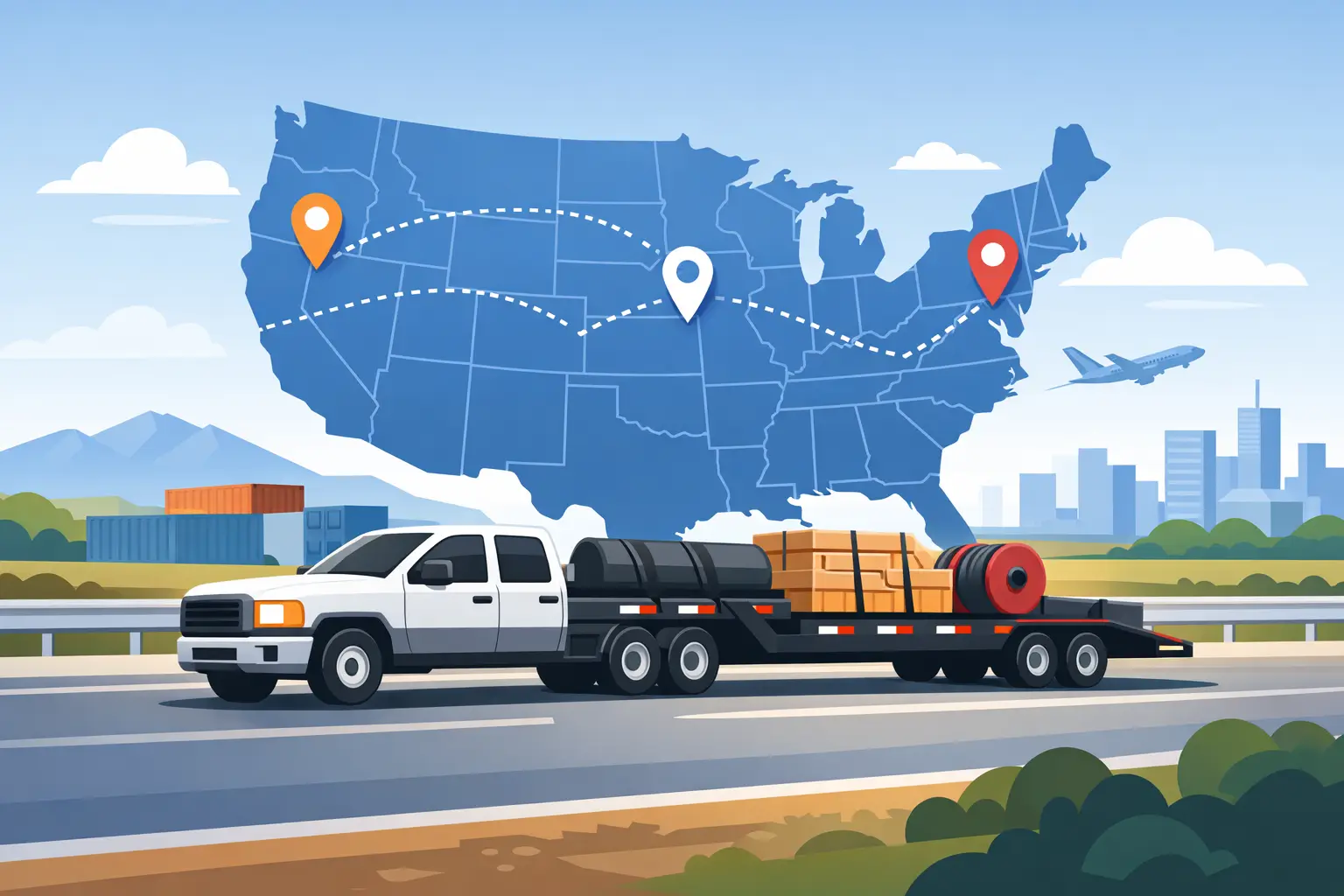
Hot shot hauling uses dedicated pickup-based equipment and trailers to move time-sensitive freight. The shipment is assigned to a vehicle rather than combined with routine freight stops, reducing the risk of terminal delays, missed connections, and extended dwell time.
For a nationwide move, the carrier plans around pickup readiness, route distance, legal driving hours, fuel stops, weather, road restrictions, and the receiving location’s delivery requirements. Fast service does not mean ignoring those operating limits. It means building the most efficient compliant plan available and communicating any change before it becomes a missed delivery window.
This model is especially useful for industrial components, oil and gas equipment, manufacturing materials, medical or specialized supplies, tools, and project-critical freight. It can serve a Houston-area origin headed to another state or an urgent load that must reach Texas from across the country.
When Hot Shot Freight Is the Right Call
The first question is not whether a shipment is urgent. It is what a delay will cost. If a delayed part extends downtime, holds up a crew, interrupts a scheduled installation, or puts a customer commitment at risk, dedicated transportation may be the practical choice.
Hot shot freight also makes sense when your shipment needs controlled handling or a direct handoff. Air ride trailers can reduce road vibration for freight that needs added protection in transit. Secure sites may require drivers with credentials such as TWIC or TSA clearance. These requirements should be identified before dispatch, not after the truck arrives at a gate.
It is not always the best fit. If delivery can wait several days and cost control is the main priority, standard LTL or other planned freight options may be more economical. If the load exceeds the capacity of pickup-and-trailer equipment, a larger dedicated truck may be required. The right decision depends on dimensions, weight, handling requirements, deadline, and the financial impact of delay.
Guide to Nationwide Hot Shot Planning
A successful shipment starts with accurate details. Vague load information creates quote changes, equipment mismatches, and lost time at pickup. Before requesting service, confirm the shipment is packaged, accessible, and ready to load.
Provide the pickup and delivery addresses, including dock instructions, gate contacts, operating hours, and appointment requirements. State the available pickup time and the actual must-deliver deadline. “As soon as possible” helps establish urgency, but it does not replace a delivery window that operations can plan around.
You also need exact freight dimensions, total weight, piece count, and any special loading needs. Tell the carrier whether a forklift, loading dock, crane, or other equipment is available at both ends. A shipment that cannot be loaded safely with the equipment on site needs a different plan before the truck is dispatched.
For regulated, secure, or sensitive freight, share site access rules and required documentation early. This can include identification requirements, safety procedures, delivery authorization, bill of lading details, and named contacts who can receive the load. The driver should not arrive at a secure facility without knowing what access process applies.
Choose Equipment Based on the Freight, Not the Distance
Distance affects transit time and price, but freight characteristics determine the equipment. A small urgent load may fit on a light trailer, while longer, heavier, or more awkward freight may require a flatbed, gooseneck, enclosed trailer, or air ride trailer.
Open-deck equipment can be efficient when loading access is straightforward and the freight is properly secured for road exposure. Enclosed equipment provides more protection from weather and road conditions. Air ride capability is worth discussing when minimizing vibration and movement matters. Ask for the equipment recommendation and make sure it aligns with your load’s dimensions, weight, value, and handling needs.
Do not underestimate securement. Proper straps, chains, tarping when applicable, blocking, bracing, and load distribution are operational requirements, not add-ons. A fast move that results in damaged freight is not expedited service.
Set a Transit Plan That Can Hold Up
Nationwide hot shot delivery can cover significant mileage quickly, but promised transit times must account for real operating conditions. A professional provider will consider driver hours-of-service limits, required rest periods, traffic patterns, weather exposure, construction zones, and delivery-site availability.
For exceptionally urgent runs, relay options or team-driver coverage may be considered depending on the route and freight requirements. Those solutions can improve speed, but they also affect cost and require more coordination. A credible quote should explain the service level being proposed rather than simply promising an aggressive arrival time.
Receiving hours matter as much as driving time. If a truck reaches the destination after the site closes, the shipment may sit nearby until the next available appointment. Confirm whether after-hours receiving is possible, who has authority to accept the freight, and what happens if the receiving site changes its schedule.
Understand What Drives Hot Shot Pricing
Nationwide hot shot pricing is not a simple per-mile calculation. Mileage is a major factor, but the final cost also reflects equipment type, load size and weight, pickup urgency, route complexity, tolls, permits when needed, driver availability, securement requirements, and the service level requested.
A same-day pickup may cost more than a shipment scheduled in advance because it requires immediate equipment positioning. Remote pickup or delivery locations can increase deadhead miles. Freight that needs air ride transport, secure-site access, unusual loading support, or extra coordination may also require a higher rate.
The lowest quote is not always the lowest-risk option. Compare whether each provider is quoting dedicated service, what equipment is included, how updates will be handled, and whether accessorial charges are defined. A quote that appears inexpensive but leaves key requirements unaddressed can become expensive when the truck cannot load, the driver cannot enter the site, or the shipment misses its receiving window.
Maintain Visibility From Pickup Through Delivery
Urgent freight should not disappear after dispatch. Your internal team may be coordinating production, labor, customer commitments, or site access around the shipment’s arrival. They need timely status information that is useful, not vague.
Set update expectations before pickup. At a minimum, confirm dispatch, loaded status, significant route changes, estimated arrival time, and proof of delivery. If weather, traffic, mechanical issues, or a receiving-site problem affects the plan, the carrier should communicate the impact and available alternatives immediately.
A single accountable contact also improves execution. The shipper should provide a person who can approve decisions if the pickup contact, delivery contact, or site conditions change. Delays often grow when a driver is waiting for answers that no one is authorized to provide.
Know When Brokerage Support Adds Value
Not every urgent shipment fits one carrier’s available equipment or capacity. Freight brokerage support can help locate the right carrier when a load requires broader coverage, a specialized trailer, or a different service model. The value is not simply finding a truck. It is coordinating a qualified solution while keeping shipment requirements, timing, communication, and documentation under control.
For repeat shippers, a transportation partner that can provide both direct hot shot service and brokerage support offers flexibility. A local emergency pickup, a dedicated interstate run, and a larger freight requirement can be managed through one operational point of contact rather than forcing your team to restart the carrier search every time.
Questions to Ask Before You Dispatch
Ask whether the shipment will be dedicated or combined with other freight, what equipment will be used, and whether the provider has experience with your type of site and cargo. Confirm the pickup window, estimated delivery window, communication process, insurance coverage, and any credentials required for access.
Also ask what happens if the original plan changes. A capable provider should be able to explain its process for mechanical issues, weather delays, unavailable receivers, and revised delivery instructions. The answer does not need to promise that problems never occur. It should show that the provider has a disciplined response when they do.
For urgent freight, good transportation decisions are made before the truck rolls. Give the carrier accurate details, choose equipment that matches the load, confirm the receiving plan, and insist on meaningful visibility. When a deadline is tied to operations, a properly managed nationwide hot shot shipment can keep the next shift, project, or customer commitment on track.