
A production line is down, a crew is waiting on a critical part, or a delivery window is closing fast. That is usually when the question comes up: what is hot shot hauling, and is it the right move for this shipment?
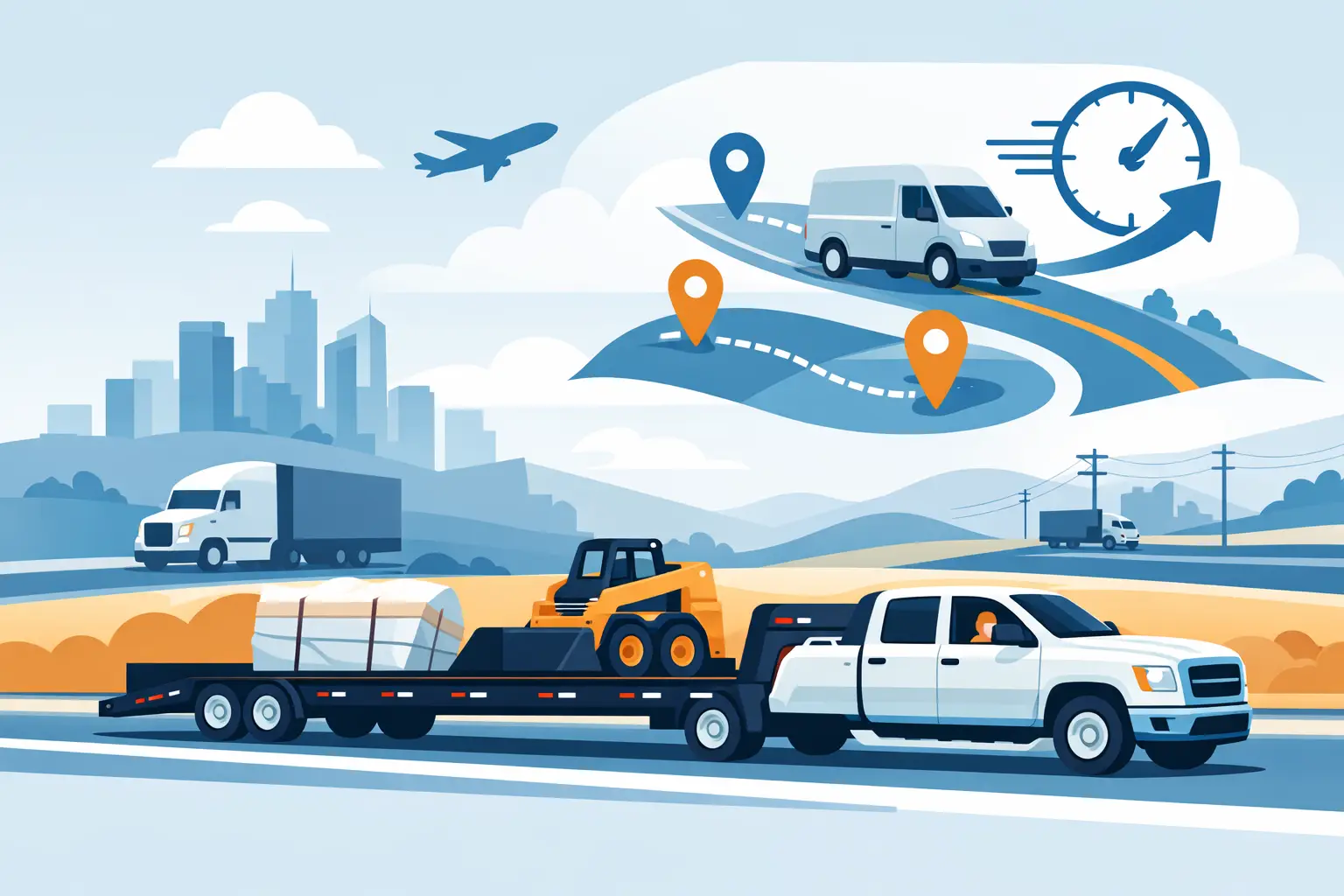
Hot shot hauling is an expedited freight service built for urgent, time-sensitive loads that need to move faster than standard shipping can handle. In most cases, it involves a pickup truck and trailer moving a partial load, equipment, parts, or specialized freight directly from pickup to delivery with minimal delay. The goal is simple – get the shipment where it needs to be, on time, without routing it through a long terminal network or waiting for a full truckload schedule.
For businesses that deal with downtime, jobsite deadlines, shutdowns, or emergency replenishment, hot shot hauling fills the gap between parcel service and traditional freight. It is not the cheapest option, and it is not meant for every load. But when speed matters more than cost per mile, it is often the most practical answer.
What Is Hot Shot Hauling in Practical Terms?
In practical terms, hot shot hauling is direct, expedited transportation for smaller freight that still needs dedicated service. Instead of waiting to combine your shipment with other freight on a standard route, a hot shot carrier moves your load as a priority.
This service is common in industries where delays create real cost. Oil and gas, manufacturing, construction, industrial supply, medical equipment, and distribution operations all use hot shot service when a missed delivery means stalled work, lost production, or a failed service commitment.
Most hot shot loads are too large or heavy for a courier van but do not require a full-size semi trailer. That middle ground is where hot shot hauling makes sense. It gives shippers a fast way to move freight that is urgent but not necessarily full truckload volume.
How Hot Shot Hauling Works
The process is straightforward. A shipper has an urgent load, provides the dimensions, weight, pickup location, delivery point, and timing requirements, and the carrier dispatches the appropriate vehicle and trailer. Once loaded, the shipment moves directly to its destination or with very limited stops.
That direct movement is the key difference. Standard freight often involves scheduling delays, terminal handling, and transfer points. Hot shot hauling reduces those handoffs. Fewer handoffs usually mean faster transit and less risk of delay or damage.
Depending on the shipment, the equipment may be a pickup with a flatbed, gooseneck, low-profile trailer, or air ride trailer for freight that needs extra protection in transit. The right setup depends on the cargo itself, not just how fast it needs to move.
What Kind of Freight Moves by Hot Shot?
Hot shot hauling is typically used for freight that is urgent, specialized, or operationally critical. That can include replacement parts, industrial components, equipment, crated freight, pallets, generators, tools, oilfield supplies, and jobsite materials.
Some loads are valuable because of what they are. Others are valuable because of timing. A fairly ordinary pallet can become high-priority freight if a plant cannot restart without it. That is why hot shot service is tied more to urgency than to any single freight category.
It is also common for hot shot loads to require special access or handling. Secure facilities, port-related environments, industrial sites, and regulated delivery locations may require carriers with the right credentials and experience. For those shipments, availability alone is not enough. The carrier also needs to be cleared and prepared to complete the job without access issues.
When Hot Shot Hauling Makes Sense
Hot shot hauling makes sense when the cost of waiting is higher than the cost of expedited transport. That is the clearest way to evaluate it.
If your team is facing production downtime, a missed installation window, a field service delay, or a customer deadline that cannot slip, hot shot service is often justified. It is also a strong fit when a shipment needs dedicated handling instead of moving through a shared freight network.
That said, not every urgent-sounding load actually needs hot shot service. If the delivery can wait until the next scheduled LTL move, or if the shipment is large enough to require full truckload equipment anyway, another mode may be more efficient. The right answer depends on timing, freight size, destination, site access, and the business impact of delay.
Hot Shot Hauling vs. Standard Freight
The biggest difference between hot shot hauling and standard freight is speed. Standard freight is designed around route efficiency and load consolidation. Hot shot hauling is designed around urgency and direct movement.
With standard LTL or truckload service, your freight may wait for scheduling, move through terminals, or share trailer space based on broader network planning. That model works well for routine shipments. It is less effective when a late delivery creates operational problems.
Hot shot service also gives shippers more flexibility. Pickup times can often be arranged faster, routes are more direct, and equipment can be matched to the shipment’s specific requirements. The trade-off is cost. Dedicated expedited service usually costs more than standard freight because you are paying for speed, responsiveness, and equipment availability.
Hot Shot Hauling vs. Courier Service
Some shippers confuse hot shot hauling with courier service, but they are not the same thing. Courier service is generally built for envelopes, small packages, medical specimens, and lighter local deliveries. Hot shot hauling handles heavier, larger, and more freight-like shipments.
If the load needs a trailer, securement, or freight equipment, it is usually in hot shot territory. If it fits in a car, small SUV, or cargo van and moves like a package shipment, courier service may be the better fit.
The line is not always exact. Some urgent shipments fall between the two, which is why working with a transportation provider that handles both can make dispatch easier. The focus should be on the shipment’s requirements, not just the label.
Equipment Matters More Than People Think
One of the biggest mistakes in expedited shipping is treating all urgent loads the same. Hot shot hauling only works well when the equipment matches the freight.
A basic flatbed setup may be fine for durable jobsite material. It may be the wrong choice for sensitive equipment, fragile components, or freight that cannot take a rough ride. Weight capacity, deck space, loading method, tie-down requirements, and ride quality all affect execution.
For higher-value or more delicate shipments, air ride trailers can make a real difference by reducing vibration and transit shock. For secure or regulated locations, driver credentials can be just as important as the trailer itself. In other words, speed gets the load moving, but proper equipment and qualifications are what get it delivered without problems.
What Shippers Should Ask Before Booking
If you are evaluating whether to use hot shot hauling, start with the basics. What are the exact dimensions and weight? How fast does it truly need to move? Is the pickup or delivery location restricted, credentialed, or difficult to access? Does the freight need weather protection, air ride, flatbed securement, or specialized handling?
Clear answers up front save time and prevent avoidable issues. They also help the carrier assign the right vehicle the first time. In expedited shipping, bad assumptions create delays fast.
This is also where experience matters. A carrier that understands industrial freight, urgent dispatch, and jobsite or facility requirements can spot issues before they become missed deliveries. That operational awareness is part of the service.
The Real Value of Hot Shot Hauling
The real value of hot shot hauling is not just that it moves fast. It is that it protects operations when the normal freight timeline no longer works.
For a business, a late shipment can mean idle labor, equipment downtime, missed contractual deadlines, or customer fallout. Against those risks, expedited transportation is often a practical cost, not an excessive one. The decision is less about transportation spend in isolation and more about the total cost of delay.
That is why many commercial shippers use hot shot hauling selectively. It is not the default mode for routine freight. It is the fast-response option when timing, access, or specialized handling makes standard shipping too slow or too risky.
For Houston-area businesses and nationwide shippers facing urgent freight problems, that distinction matters. Advanced Express Delivery operates in that space with expedited transportation, hot shot service, courier support, and the credentials needed for secure and specialized environments.
When a shipment cannot sit, the best move is usually the simplest one – get the right equipment, the right dispatch response, and a carrier that understands what late really costs.